Brentwood TMS

As trusted psychiatrists and TMS leaders in the Brentwood, TN area, we have provided advanced Transcranial Magnetic Stimulation (TMS) since 2011. Located in the heart of Brentwood—our practice has administered nearly 2,000,000 safe, TMS treatments. We help individuals overcome depression, treatment-resistant depression, and obsessive-compulsive disorder using this FDA-cleared, gentle magnetic-pulse treatment that reactivates mood-regulating brain circuits (pathways) over time during a TMS treatment course. Guided by our Chief Medical Officer—the co-creator of the Clinical TMS Society's World-renowned "PULSES" course curriculum—our medical directors and skilled psychiatrists deliver unmatched clinical excellence. Connect with our team to discover how you can find out if TMS is right for you.  Let us help you restore your brain health.

What is Transcranial Magnetic Stimulation (TMS)?

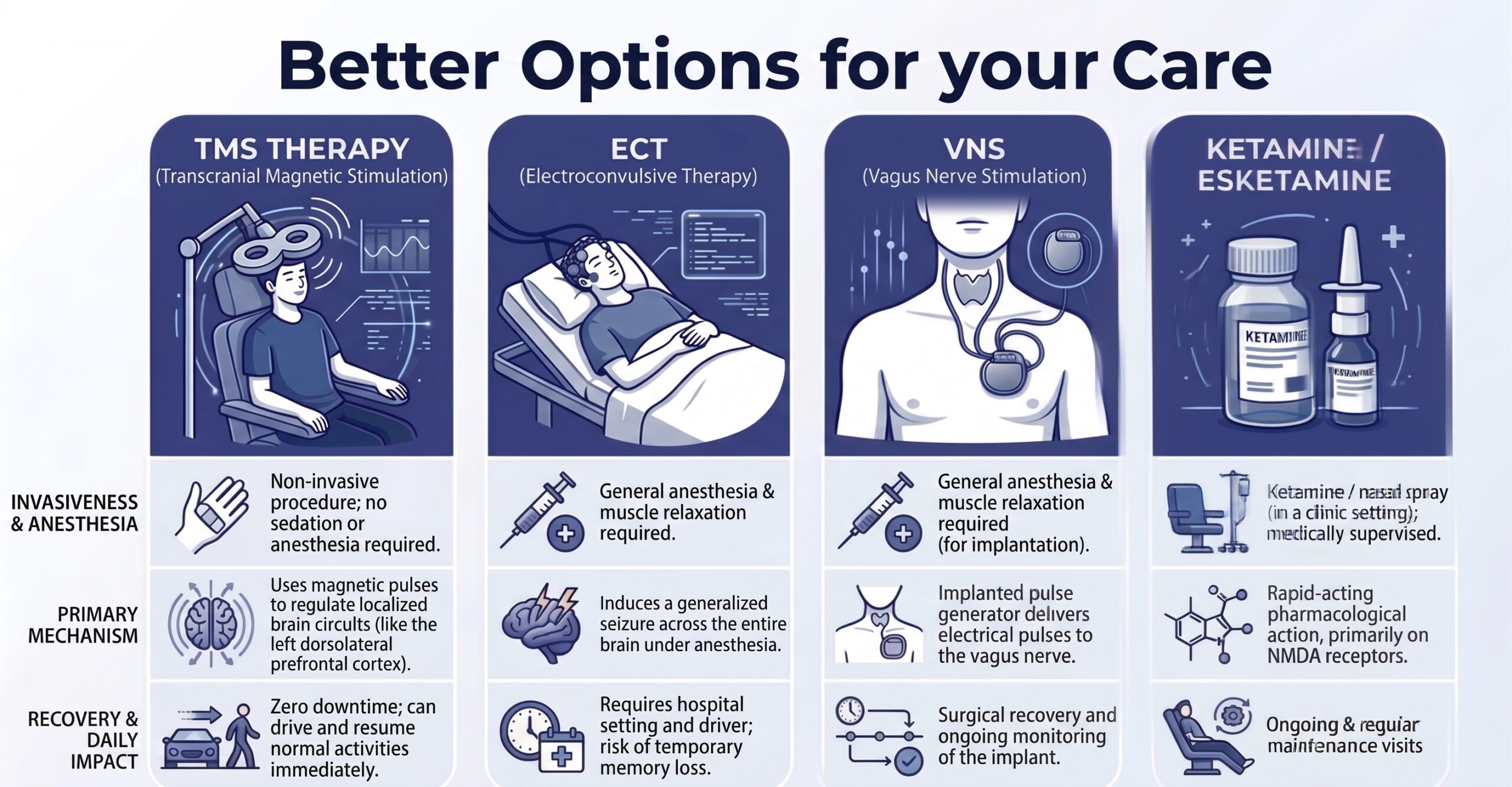
Transcranial Magnetic Stimulation (TMS) is an FDA-cleared, non-invasive therapeutic medical treatment designed to target specific neural circuits in the brain using pulsed magnetic fields. Administered by a board-certified psychiatrist, TMS therapy is primary care for severe psychiatric conditions that have not responded to standard interventions. At our Brentwood TMS center, we prescribe and administer TMS for treatment-resistant depression (TRD), obsessive-compulsive disorder (OCD), smoking cessation (tobacco use disorder), and migraine with aura, along with specialized applications when conventional therapies fail.

How Does TMS Work

TMS delivers precise magnetic pulses through an electromagnetic coil placed comfortably against your scalp. These pulses pass safely through the skin and skull to induce localized, gentle electrical currents in underlying brain cells (neurons). By modulating neuronal firing—stimulating underactive areas or calming overactive circuits—repeated Brentwood TMS sessions help restore healthy brain function, yielding sustained improvements in mood, cognitive clarity, and emotional regulation.

How is TMS Different From Psychiatric Medications?

While traditional oral antidepressants alter body-wide neurotransmitter levels, TMS precisely target electrical activity within specific brain circuits. Clinical research shows that for patients who have tried multiple medications without success, transitioning to Brentwood TMS offers a significantly higher statistical likelihood of achieving response or full remission compared to switching to another pharmaceutical.

What Are the Steps Involved to Get TMS?

  • Psychiatric Evaluation: Your journey begins with a comprehensive assessment by an expert psychiatrist to verify your diagnosis, screen for contraindications, and review your treatment history.

  • Customized Care Plan: We discuss treatment alternatives, outline informed consent, and tailor a protocol specific to your neurobiological needs.

  • Treatment Onboarding: Once approved, your personalized treatment schedule is established, ensuring seamless coordination with your existing healthcare team.

What is it like to Receive TMS?

Brentwood TMS protocols are tailored to your schedule and clinical requirements, ranging from standard daily care (one session per day for 6–9 weeks) to accelerated multi-session protocols (like the SAINT protocol over 5 days). Most commercial insurance plans cover 36 sessions over a 6–9 week course, which research demonstrates offers superior long-term durability.

  • Session Duration: Each outpatient session lasts between 3 and 37 minutes.

  • Sensory Experience: You relax in a specialized treatment chair while the coil delivers magnetic pulses, producing a light tapping sensation on your scalp.

  • Comfort Measures: Earplugs are provided to mute the clicking sound, and mouthguards are available to mitigate minor jaw muscle activation.

  • Symptom Timeline: While some patients notice changes early, most experience significant clinical improvements between sessions 15 and 30.

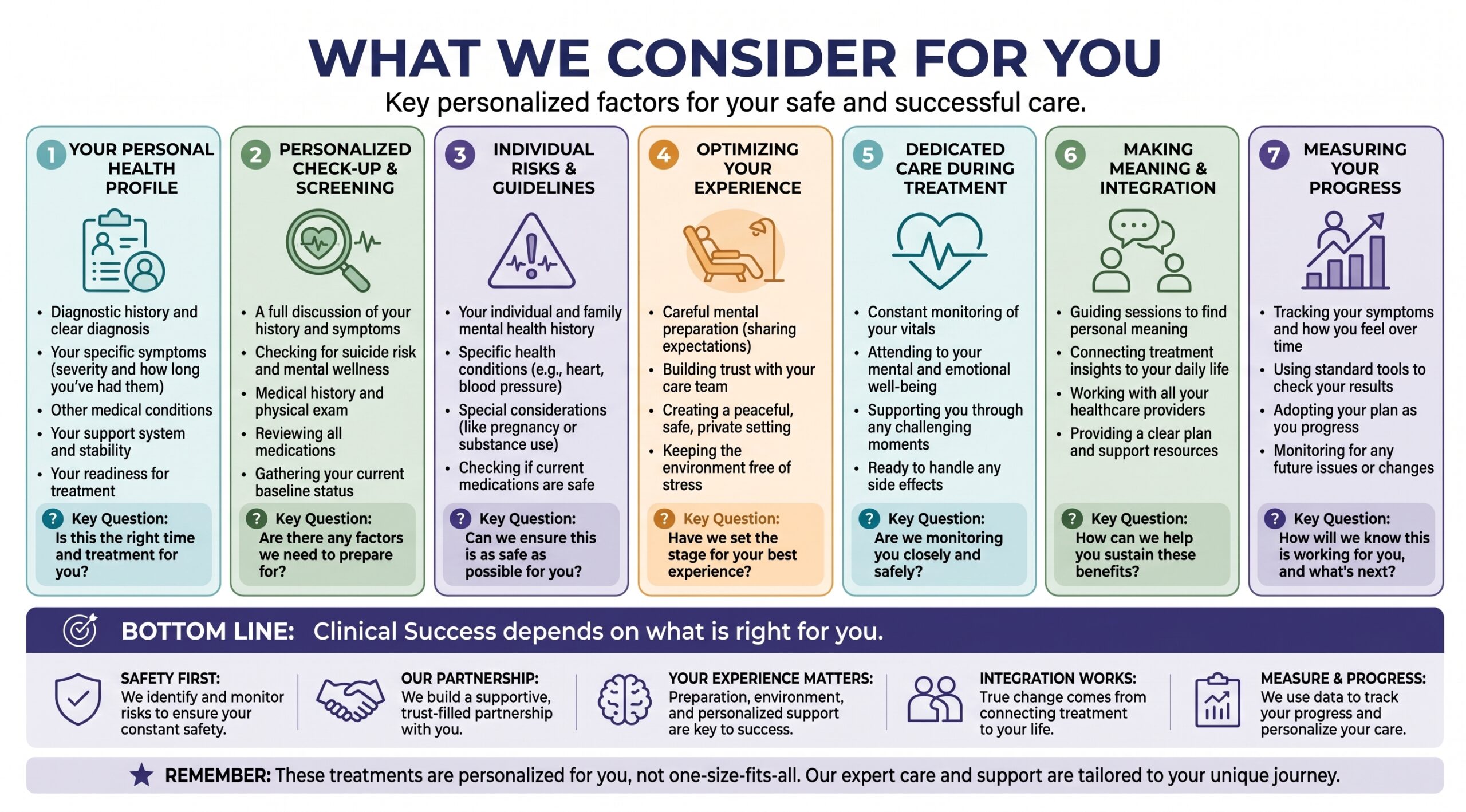
Infographic on key factors for personalized mental health care and TMS therapy in Nashville TN.

How long will the Symptoms Stay Away?

Brentwood TMS protocols are tailored to your schedule and clinical requirements, ranging from standard daily care (one session per day for 6–9 weeks) to accelerated multi-session protocols (like the SAINT protocol over 5 days). Most commercial insurance plans cover 36 sessions over a 6–9 week course, which research demonstrates offers superior long-term durability.
  • Session Duration: Each outpatient session lasts between 3 and 37 minutes.
  • Sensory Experience: You relax in a specialized treatment chair while the coil delivers magnetic pulses, producing a light tapping sensation on your scalp.
  • Comfort Measures: Earplugs are provided to mute the clicking sound, and mouthguards are available to mitigate minor jaw muscle activation.
  • Symptom Timeline: While some patients notice changes early, most experience significant clinical improvements between sessions 15 and 30.
 

Who Cannot Have TMS?

TMS is safe and well-tolerated for the vast majority of individuals. However, TMS is contraindicated for patients with non-removable ferromagnetic metallic objects in or around the head, including:
  • Implanted electrodes or deep brain stimulators
  • Aneurysm clips or coils
  • Cochlear implants
  • Intracranial stents or metallic shrapnel/bullet fragments

What are the side effects of TMS?

Utilizing industry-leading NeuroStar and MagVenture systems, Brentwood TMS side effects are mild, transient, and non-systemic:

  • Common Effects: Mild scalp tenderness during treatment and temporary, light headaches that respond well to over-the-counter pain relievers.

  • Early Adjustments: Transient, mild increases in anxiety or altered sleep patterns may occur during week one but quickly resolve.

  • Rare Risks: The risk of seizure is exceptionally low (~1 per 60,000 treatments)—lower than the seizure risk of many standard oral antidepressants.

Why Our Patients Achieve Higher Rates of Recovery

Research reports clinical TMS for depression yields 60% response and 30% remission. Hovvever, in our office, we achieve much higher results. In fact, more than 70% of our patients reach remission from depression and more than 85% respond to treatment. We're able to optimize outcomes through the use of clinically-proven modalities, including combining TMS with cognitive behavioral therapy and behavioral activation techniques from the Train Your Brain Workbook.
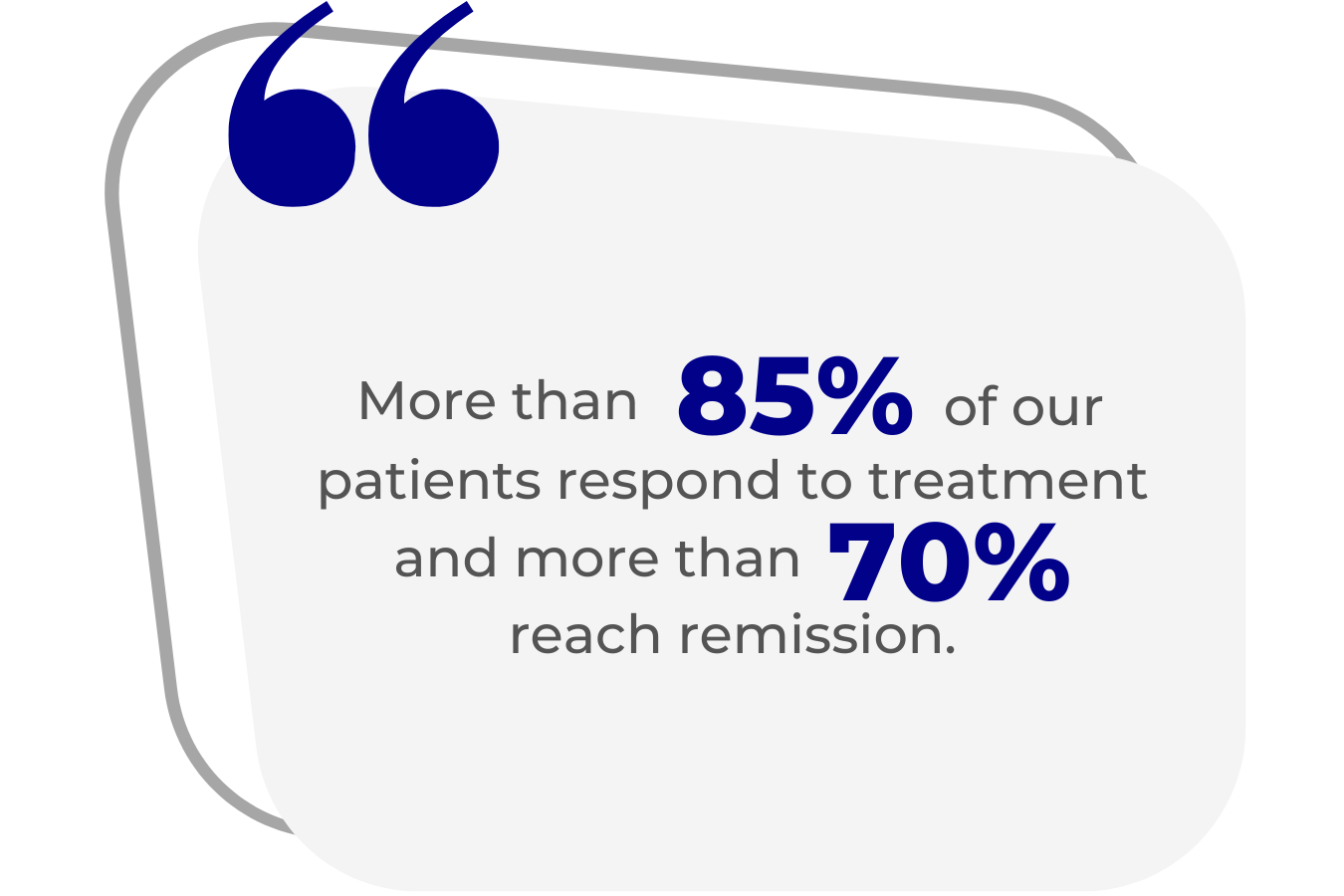

Statistics on patient response and remission rates in mental health treatment.

Check out our blogs on TMS

We strive to educate, empower, and inspire patients to help them lead happier, healthier lives. Check out our blog for news and helpful information, expert tips, answers to some of your most frequently asked questions, and much more.


When is the right time to get TMS?

Transcranial Magnetic Stimulation (TMS) represents a profound paradigm shift in how we treat complex, stubborn neurobiological conditions. If you are living with major depression, obsessive-compulsive disorder (OCD), chronic […]

A Note of Caution: Evaluating ONE-DAY TMS for Depression

Optimizing your mental health is a journey often paved with new technologies and promising protocols. One such advertised method, Optimized, Neuroplasticity-Enhanced techniques in Depression (ONE-DAY TMS), has garnered […]

TMS Therapy Near Me

TMS Therapy Near Me… Searching for “TMS Therapy near me?” The answer is Yes there is! We offer TMS in four locations in and around Nashville and also […]

Ask The Expert – Clinical TMS Society

Ask The Expert In June this year, Dr Cochran was invited to be at the Clinical TMS Society (CTMSS) society meeting in London and to participate on the […]

Adding TMS is better than Adding or Switching Medications

Adding TMS is better than Adding or Switching Medications In a recent article published in Nature magazine, researchers showed that adding Transcranial Magnetic Stimulation (TMS) resulted in improved […]

TMS & Pregnancy

TMS and Pregnancy Pregnancy and the months after delivery represent a high-risk period for a woman’s mental health. Hormonal changes, stress and lack of sleep are factors that […]

Transcranial Magnetic Stimulation (TMS) FAQs

TMS is a safe, non-drug, FDA-cleared treatment that uses gentle magnetic pulses to stimulate underactive areas of the brain, helping to better regulate mood in patients with depression. […]

Detailed illustration of synaptic connections in the brain for mental health.

Physician Recommended.
Patient Preferred.

  • Dr. Cochran at The Neuroscience and TMS center has served as my psychiatric care physician for the past 5 years. I have made tremendous progress while seeing her. She is attentive, thorough, and professional. I refer her to everyone I know in need of psychiatric care because I trust her and her staff completely. I am very thankful to be a patient of the Neuroscience and TMS center.

    -CL

  • This hands down is the BEST doctor’s office I've ever been to. Not just on a psychiatric level, but just a medical setting in general. I love Dr. Becker and I'm beyond grateful that I found him. He is very personable and just one of the easiest people to talk to. And the front desk is great too and that goes a long way! So yes, 5 stars! I recommend this to anyone who needs to find a good and relaxed environment for psychiatry.

    -MM

  • Mary is wonderful. She understands my medical condition and truly cares. She listens and comforts you in time of need. She is a true human being and doesn’t treat you like a number. She is very professional and knows her stuff.

    -AC

  • Ali was amazing. We have searched for help for years for our son. It was nice for her to listen but then give great advice!! We are in the process of implementing her parenting plan and It is not easy but we can already see a difference!!

    -ER

  • This was a great treatment for me. I have completed TMS therapy numerous times b/c I keep getting better and better. I suffered a traumatic brain injury and was steered towards TMS and it has helped me tremendously…This team knows what they are doing and I’m happy I had the opportunity to do this.

    -JP

  • The staff are 100% committed to the clients’ health and well-being. They find solutions tailored to the individual’s needs and goals. If I could leave 10 stars, I would. ⭐️⭐️⭐️⭐️⭐️⭐️⭐️⭐️⭐️⭐️

    -HH

  • Everyone from Dr. Becker on down has done an outstanding job. Professional and caring that is hard to find in medicine today and you guys provide both!! And, Emily is a real gem as the TMS tech.

    -EPC, MD [VUMC]

Colorful brain illustration representing synaptic connections and mental health.

We are here for you.

Want to learn more about one of our treatments or services?
Need to schedule an appointment or have a question about your care plan? We're here for you!

Patient Portal for Current Patients -https://cromwellmedicalintouch.insynchcs.com


New Patients or General Inquiry - Call our main office number at 615.224.9800, email us at  support@hopeforyourbrain.com, or complete the form below.

Pharmacies, Clinics, and Insurance - Fax us at (615) 224-9840

Scroll to Top