
I n the world of mental health, a diagnosis has long been a binary: you either meet the criteria for a disorder, or you don’t. But as any clinician (or patient) knows, human experience rarely fits into a neat little box.
A recent article by Mark Moran in Psychiatric News highlights the work of the APA’s Future of DSM Strategic Committee, a group of experts working to evolve the “Psychiatrist’s Bible” into a more holistic, “living document.”
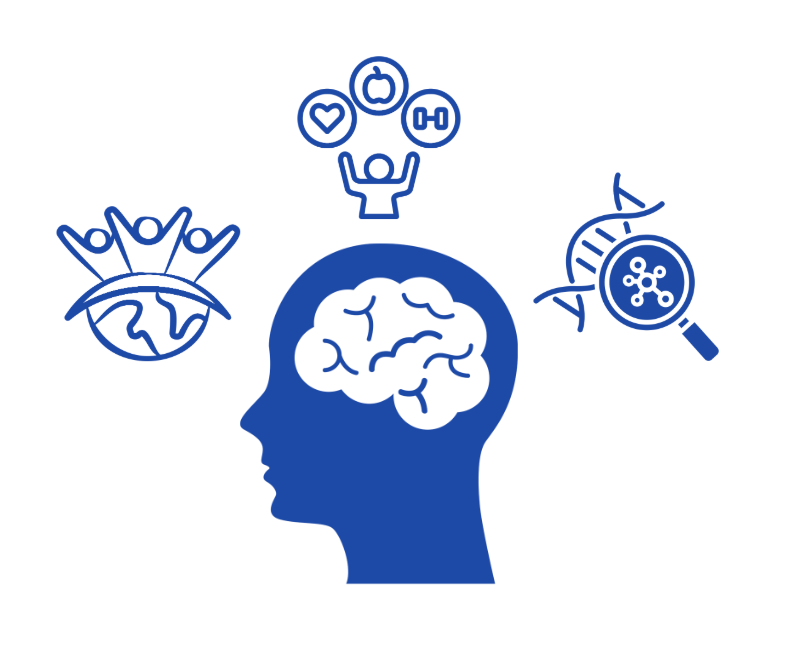
Here is a breakdown of the four major shifts coming to the future of psychiatric diagnosis:
1. From Categories to “Spectrums” (Dimensionality)
The current DSM often “squeezes” patients into categories. However, symptoms like anxiety or cognitive dysfunction often cut across many different disorders. The committee is exploring a dimensional approach, which treats mental health as a spectrum. This allows clinicians to capture the nuance of a patient’s specific symptoms rather than just checking a box, leading to more personalized treatment plans.
2. Searching for Biological Proof (Biomarkers)
Unlike a blood test for diabetes, most psychiatric diagnoses currently rely on behavioral observation. The committee is investigating biomarkers—such as genetic tests, brain scans, or blood-based markers—that could eventually help predict how a patient will respond to a specific medication or what their long-term outlook might be. While we aren’t there yet, the DSM is being designed to update in real-time as this science evolves.
3. Measuring What Actually Matters (Quality of Life)
A patient might technically “recover” from acute symptoms but still struggle to hold a job or maintain relationships. The committee wants to shift focus toward functioning and quality of life. By using tools like the World Health Organization’s Disability Assessment Scale (WHODAS), the future DSM aims to measure “patient-centered” outcomes—how a person is actually living, working, and playing.
4. The Impact of the Outside World (Social Determinants)
You cannot treat a person’s mind without looking at their environment. Factors like housing stability, poverty, and cultural identity—known as Socioeconomic, Cultural, and Environmental Determinants of Health (SCE-DoH)—play a massive role in mental health. The goal is to move these factors from the “optional” notes into the heart of the diagnostic process. As subcommittee chair Dr. Milton Wainberg puts it: “If you are not paying attention to these realities, you are treating a disorder, not a person.”
The Bottom Line
The next iteration of the DSM isn’t looking to “burn it all down.” Instead, it is evolving to be more humble and more human—balancing the need for diagnostic categories with the messy, complex reality of being a person in the modern world.
Want to dive deeper? Check out the full article in Psychiatric News 2025, by Mark Moran
Synaptic PSYCH already offers comprehensive psychiatric services, you can become a new patient by CLICKING HERE.